
A Realistic Student Guide for College Move Out
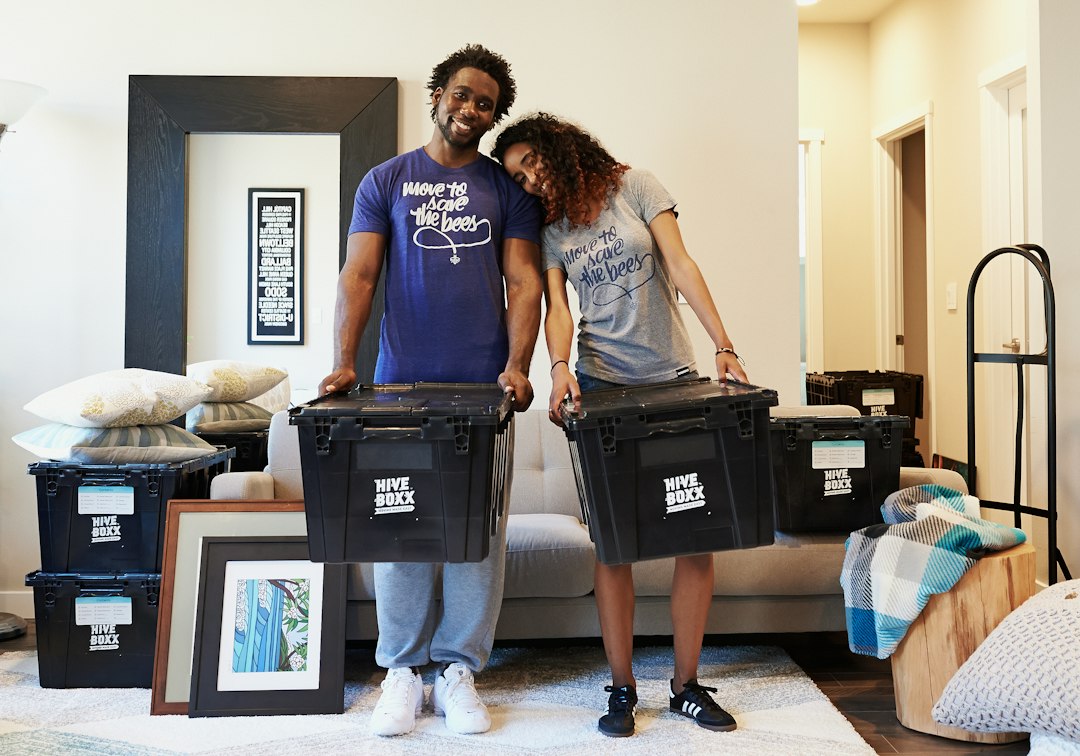
Start Your College Move Out Early to Avoid Fees and Stress
A smooth college move out starts before finals week. Check your housing deadline and checkout rules, pack items you will not use each day, sort everything into keep, sell or donate piles, and reserve your family’s pickup time or transportation early. Before you leave, clean the room, photograph its condition, remove all belongings, return furniture to its original layout, complete required forms, and turn in every key or access card.
Most campuses require residents to leave within a set period after their last exam or by a firm housing-contract deadline. Missing a checkout appointment, leaving trash or furniture behind, or failing to return keys can lead to avoidable charges. Planning ahead also keeps usable items out of the landfill: JMU reported 65 tons of move-out trash in 2025, while Cal Poly has reported 47.7 tons during a past move-out period.
I am Anthony Denha, President of Handle With Care Moving & Delivery, and I help oversee careful, well-planned relocations of all sizes. My experience with college move out logistics comes from helping customers prepare, pack, load, and coordinate the details that make moving day easier.
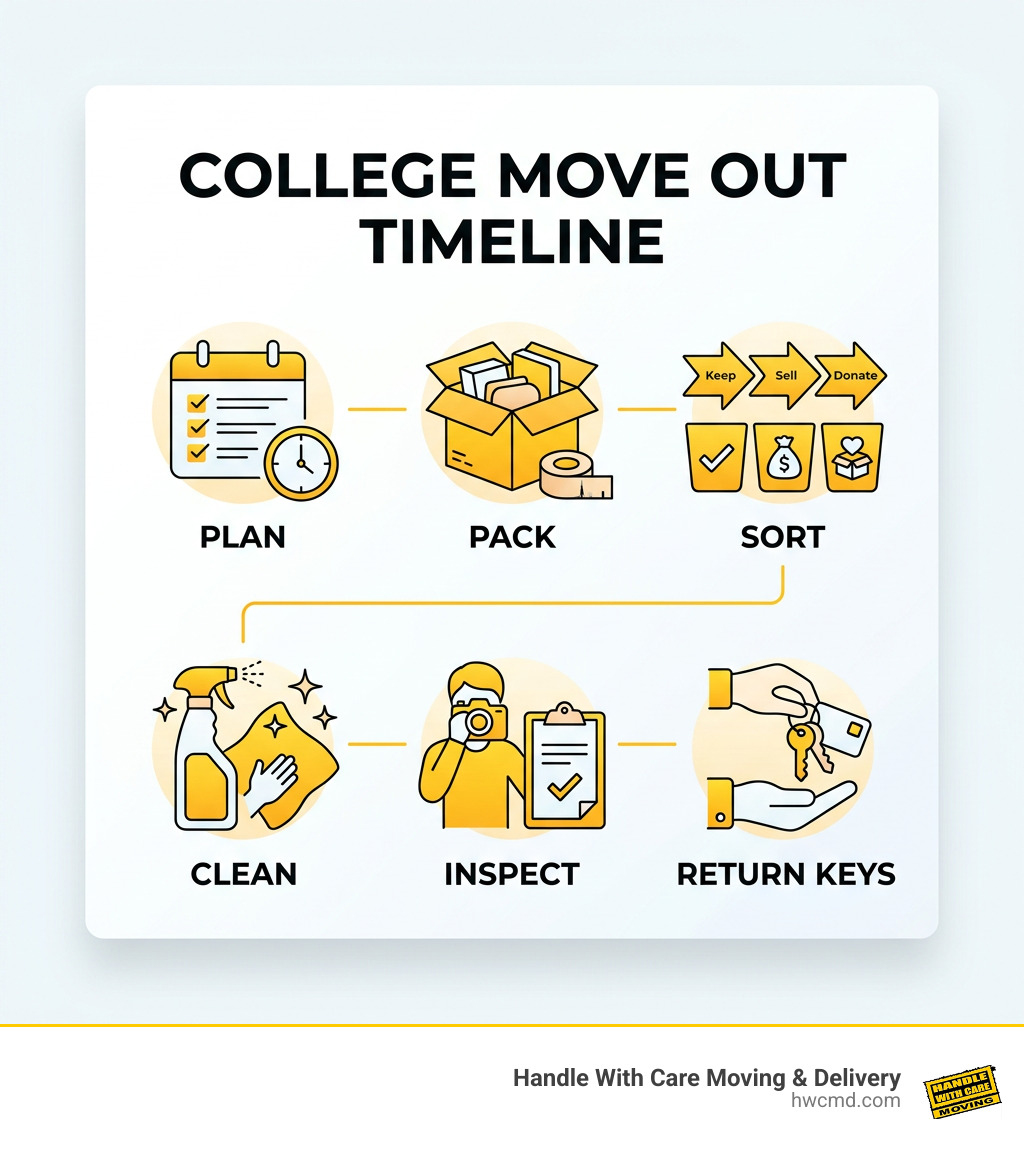
College move out terms to remember:
Mastering the College Move Out Timeline: Early Planning and Deadlines
The biggest mistake students make is treating move-out day as a single afternoon chore crammed between their last final exam and the moment their campus access card shuts off. In reality, a seamless departure requires a multi-week calendar strategy.
When you align your packing schedule with your academic calendar, you eliminate the frantic 2:00 AM packing sessions that result in broken belongings, lost deposit funds, and massive exhaustion. Managing your timeline means understanding your specific university housing contract, booking elevator time slots through residential portals, and coordinating your travel arrangements well before the campus parking lots descend into gridlock.
When to Start Your College Move Out Preparation
We recommend initiating your move-out preparations roughly three to four weeks before the spring semester concludes. Start by checking your course syllabi to map out your final exam dates against your residence hall’s closing schedule.
Begin packing non-essential items early. This includes off-season winter coats, formal wear, extra bedding, specialized cooking gear, decorative wall art, and books you will no longer reference for upcoming tests. Getting these out of the way significantly reduces clutter, leaving you with only your daily essentials for the final stretch. Following practical moving tips helps maintain academic focus while steadily making progress on your room.
Early preparation also lets you beat the notorious bottleneck at residence hall loading zones. Official move-out days turn dorm hallways into high-traffic zones where freight elevators are constantly booked and curbside spots are at maximum capacity. According to official JMU move-out scheduling and hall closing deadlines, residence halls close strictly at noon on the designated final day, requiring students to check out within 24 hours of their last exam. Moving out even a day or two earlier than peak deadlines can save you hours of waiting for carts, elevators, and curb access.
Navigating Campus Deadlines, Express Checkout, and Inspections
Every university housing department enforces strict end-of-term regulations. Most institutions follow the standard rule requiring non-graduating students to vacate campus housing within 24 hours after their final examination, or by a specific contract cutoff time (such as Friday at noon).
If you are a graduating senior participating in commencement ceremonies, an international student facing travel constraints, or scheduled for on-campus summer coursework, you must file a formal Late Stay Request via your student portal well before the administrative cutoff date.
Campuses typically offer two checkout pathways: an in-person walkthrough with a Resident Advisor (RA) or an unassisted Express Checkout. For example, residential procedures outlined in UC San Diego move-out procedures permit students to drop keys in dedicated lockboxes and finalize paperwork online through the housing portal.
| Feature / Consideration | Scheduled RA Walkthrough | Express Checkout Kiosk / Portal |
|---|---|---|
| Scheduling Requirement | Must book appointment 24–48 hrs in advance | Completed on your own schedule before deadline |
| Room Inspection | Conducted immediately in your presence | Conducted by housing staff after you vacate |
| Immediate Feedback | RA identifies missing items or cleaning needs | Discovered damages billed to student account later |
| Key Return Method | Handed directly to staff member | Dropped in sealed envelope at hall desk/kiosk |
| Best Suited For | Students wanting on-the-spot deposit closure | Students departing outside standard office hours |
Smart Packing and Decluttering Strategies for Dorm Rooms
Dorm rooms are notoriously compact, which makes packing them up surprisingly deceptive. It is easy to accumulate dozens of pounds of extra goods across eight months of campus life. Implementing a disciplined decluttering process ensures you only transport what you genuinely need for your next living arrangement, drastically lowering moving expenses and physical strain.

The Three-Pile Method: Keep, Sell, and Sustainable Donation
Before placing a single item into a box, divide your entire dorm room into three distinct physical categories: Keep, Sell, and Donate/Discard.
- Keep: Core everyday essentials, seasonal clothing you consistently wear, valuable tech gear, and sentimental keepsakes.
- Sell: Large electronics (such as excess TVs or monitors), mini-fridges, microwaves, and supplemental furniture that you will not need in your future apartment. List these on student message boards or local marketplaces at least two weeks before finals.
- Donate/Discard: Open food packages, beat-up storage containers, outdated course packets, and unworn apparel.
Taking the time to sort reduces the massive environmental footprint of move-out season. As noted in university sustainability audits, JMU students sent 65 tons of waste to landfills in a single move-out season, while Cal Poly diverted a substantial portion of its 47.7-ton historical waste benchmark by routing reusable goods into community programs.
Learn how to declutter before moving to keep your workload manageable. Rather than tossing unwanted items into the hallway trash chutes, utilize designated campus donation hubs. Following the Cal Poly move-out donation and recycling guidelines, take unopened non-perishable goods to campus food pantries, drop clean clothing at campus thrift drives, and place corrugated cardboard into bulk recycling stations.
Essential Supplies and Techniques for a College Move Out
Dorm moves demand strong, space-efficient packing supplies. Using flimsy grocery sacks or cheap garbage bags often leads to torn plastic, scattered belongings, and crushed valuables in stairwells.
Gather these fundamental supplies early:
- Heavy-duty zippered storage bags (like IKEA FRAKTA bags): Excellent for bedding, winter clothing, and soft textiles; they stack easily in vehicle trunks.
- Heavy-duty corrugated cardboard boxes: Ideal for books, desk items, and electronics.
- Vacuum compression bags: Condense bulky winter parkas, comforters, and pillows to a fraction of their original volume.
- Cushioning material: Bubble wrap, newsprint, or bath towels to cushion mugs, dishes, and delicate electronics.
- Heavy-duty packaging tape and broad permanent markers: Clearly label each box with its room category and broad contents.
For foundational packing techniques, reference our fundamental packing guide along with our advice on selecting suitable packing materials.
Always distribute weight sensibly. Pack dense, heavy items like textbooks and binders at the bottom of small boxes, and reserve larger boxes for lightweight items like hoodies and linens. Fill empty gaps inside boxes with soft items like socks or washcloths to prevent internal shifting during transport.
Room Restoration, Cleaning, and Roommate Coordination
Leaving your room in acceptable condition is not just common courtesy—it is a contractual obligation. University housing departments conduct thorough room condition assessments after keys are collected, assessing steep fines for lingering trash, uncleaned appliances, and unauthorized furniture modifications.
Splitting Common Area Cleaning and Appliance Defrosting
When sharing a suite or apartment-style dorm, joint accountability is vital. If a shared kitchen, bathroom, or living area fails inspection, every registered resident sharing that suite is typically billed an equal share of the cleaning penalty.
Host a brief roommate meeting two weeks prior to exams to assign specific cleaning responsibilities:
- Refrigerators and Freezers: Unplug, thoroughly defrost, and wipe down your mini-fridge at least 24 to 48 hours prior to checkout. Place an old towel underneath to catch melting frost, discard old food, leave the door propped open to prevent mildew growth, and secure power cables.
- Surfaces and Furniture: Wipe down all desk surfaces, drawer interiors, bed frames, and wardrobe shelves.
- Floors and Fixtures: Sweep, vacuum, and mop all hard surfaces and carpeted zones, ensuring hair and dust build-ups are eliminated.
- Trash Removal: Carry all refuse bags directly to exterior dumpsters. Leaving full trash bags sitting in residence hall corridors violates building fire codes and triggers immediate departmental fines.
Review the Kennesaw State housing checkout instructions to verify specific appliance drop-off locations and common-area cleaning standards.
Avoiding Costly Improper Checkout and Damage Fees
Residential life offices routinely penalize avoidable checkout oversights. Common fees include improper checkout charges ($75 to $150 for missing assigned time slots or skipping check-out forms), key replacement fees ($50 to $100 per unreturned metal key or electronic fob), and direct labor charges for room restoration.
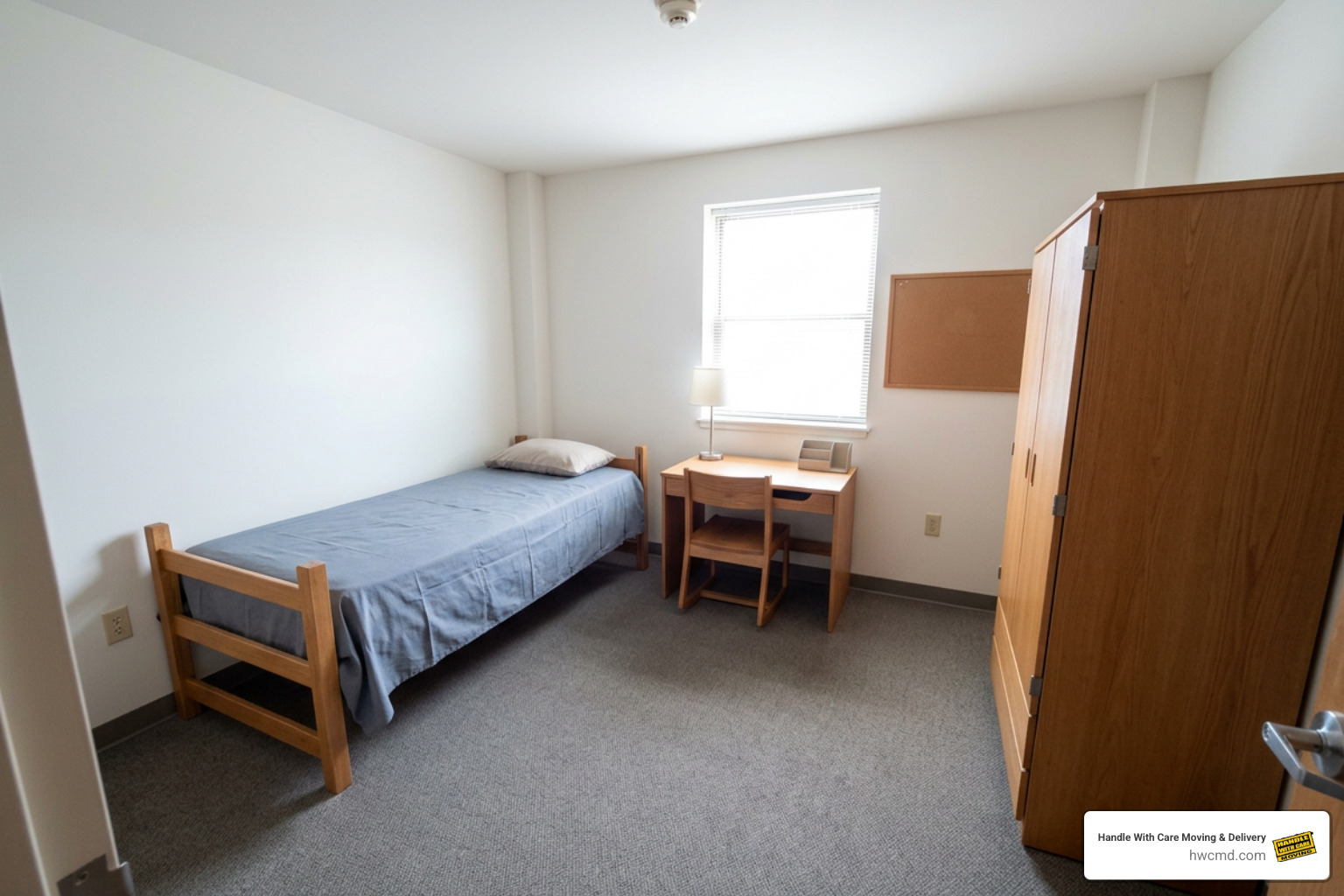
To protect your deposit:
- Reset the furniture configuration: Return beds, desks, chairs, and wardrobe units to their exact original layout as documented during fall move-in.
- Remove adhesive residue: Carefully detach adhesive hooks, LED strips, poster putty, and wall tape without peeling off the drywall paint.
- Submit pre-move fix-it requests: If an existing fixture or drawer is damaged through normal wear-and-tear, file a maintenance work order early so repairs are logged on university records.
- Document room conditions: Take timestamped, high-resolution photos and wide-angle videos of your cleaned, empty room, closet space, window frames, and common areas right before dropping your keys.
These photos serve as clear evidence if you need to challenge unwarranted damage assessments, following institutional guidelines like the Georgia Tech move-out fee policies.
Logistics, Storage, and Transport Solutions
Organizing how your packed belongings travel from campus to your next destination requires early coordination. Whether you are driving home, flying out of state, or leasing a summer storage bay, having a clear logistics strategy prevents moving-day gridlock.
Coordinating Family Help, Rental Trucks, and Local Movers
If family members or friends are driving to campus to assist you, plan around campus vehicle restrictions. Many universities convert internal campus streets into temporary one-way loading corridors and enforce strict 30- to 60-minute curbside loading limits.
Avoid bringing oversized pull-behind trailers or large commercial box trucks into tight campus parking decks, as they are often redirected to remote parking lots due to overhead clearance limits. Always secure temporary dashboard parking permits through your student housing portal in advance.
When family help is not an option, hiring reputable moving support saves substantial stress. If you are relocating to an off-campus apartment in the greater Ann Arbor area, finding local movers ensures your heavy items, bed frames, and study desks are moved safely without breaking your budget.
At Handle With Care Moving & Delivery, we make student relocations straightforward by offering:
- Transparent, 15-minute increment billing with no hidden fees
- No-minimum labor hours for smaller moves
- Free professional moving pads and protective shrink wrap to safeguard desks and electronics
- Dedicated discounts for college students, military personnel, and seniors
If your finals schedule leaves you with zero spare time to pack, you can also explore professional packing services or book experienced movers who pack for you to handle the boxing, loading, and transit from start to finish.
Mail Forwarding, Summer Storage, and Bicycle Removal
Before turning in your dorm key, address lingering loose ends like package delivery, bike storage, and personal mail:
- Mail Forwarding: Campus residential post offices do not hold packages indefinitely over the summer break. Update your mailing address in your university student portal and submit an official temporary change-of-address form with the USPS at least two weeks before move-out.
- Summer Storage: If you live across the country or abroad, renting a small, climate-controlled off-campus storage unit with a couple of friends is often far more cost-effective than shipping heavy dorm boxes back and forth. Review the UC San Diego campus housing move-out details to evaluate summer delivery options, and review our essential moving information for seasonal preparation guidelines.
- Bicycle and Scooter Removal: Campus housing policies strictly prohibit leaving bicycles locked to exterior campus bike racks over the summer. Unclaimed bicycles are categorized as abandoned property, impounded by campus security, and either auctioned or donated to charity shortly after spring commencement. Bring your bike home or store it securely inside an approved storage unit.
Frequently Asked Questions about Dorm Move-Out
How far in advance should I start packing for dorm move-out?
You should begin packing non-essential items approximately two to three weeks before final exam week begins. Pack out-of-season clothing, winter gear, extra bedding, and room decorations first. This leaves you with only daily necessities for exam week, minimizing distractions and letting you focus on studying without last-minute packing panic.
What happens if I miss my scheduled checkout time?
Missing your scheduled checkout window or failing to turn in your room keys on time typically results in an improper checkout fee, which often ranges from $75 to $150 depending on your university’s policies. Additionally, campuses may place an administrative hold on your student account—temporarily blocking access to official transcripts, grades, or class registration—until all unreturned physical keys are paid for or returned.
What items are commonly prohibited or abandoned during move-out?
The most commonly abandoned items during college move-out include bicycles left on outdoor campus racks, mini-fridges, futons, desk lamps, and lingering bags of trash in common-area hallways. Hazardous materials such as open cleaning solvents, batteries, and old electronics cannot be disposed of in standard university dumpsters and must be taken to dedicated campus e-waste recycling stations.
Conclusion
A successful college move out is entirely achievable when you break the process down into a structured, step-by-step plan. By beginning your preparation weeks before finals, decluttering unwanted possessions, coordinating cleaning chores with your roommates, and following your campus checkout procedures, you will protect your security deposit, sidestep annoying penalty fees, and head into your summer break relaxed and organized.
If you are shifting from campus housing to an off-campus apartment or home in the Ann Arbor area, let our friendly, experienced team help carry the heavy load. Handle With Care Moving & Delivery provides careful handling, 15-minute billing increments, zero labor minimums, complimentary protective materials, and exclusive student discounts. Contact Handle With Care Moving & Delivery today to request a free moving quote and secure your preferred moving date.