
A Comprehensive Guide to Suitable Packing Materials
Choose Packing Materials That Prevent Damage and Waste
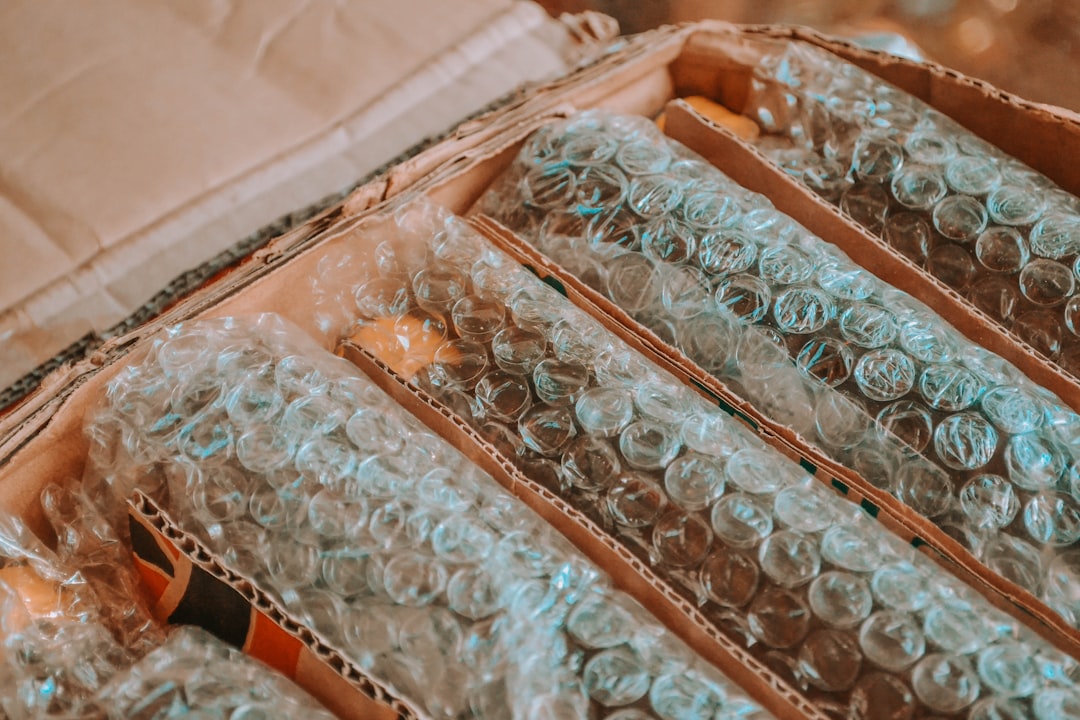
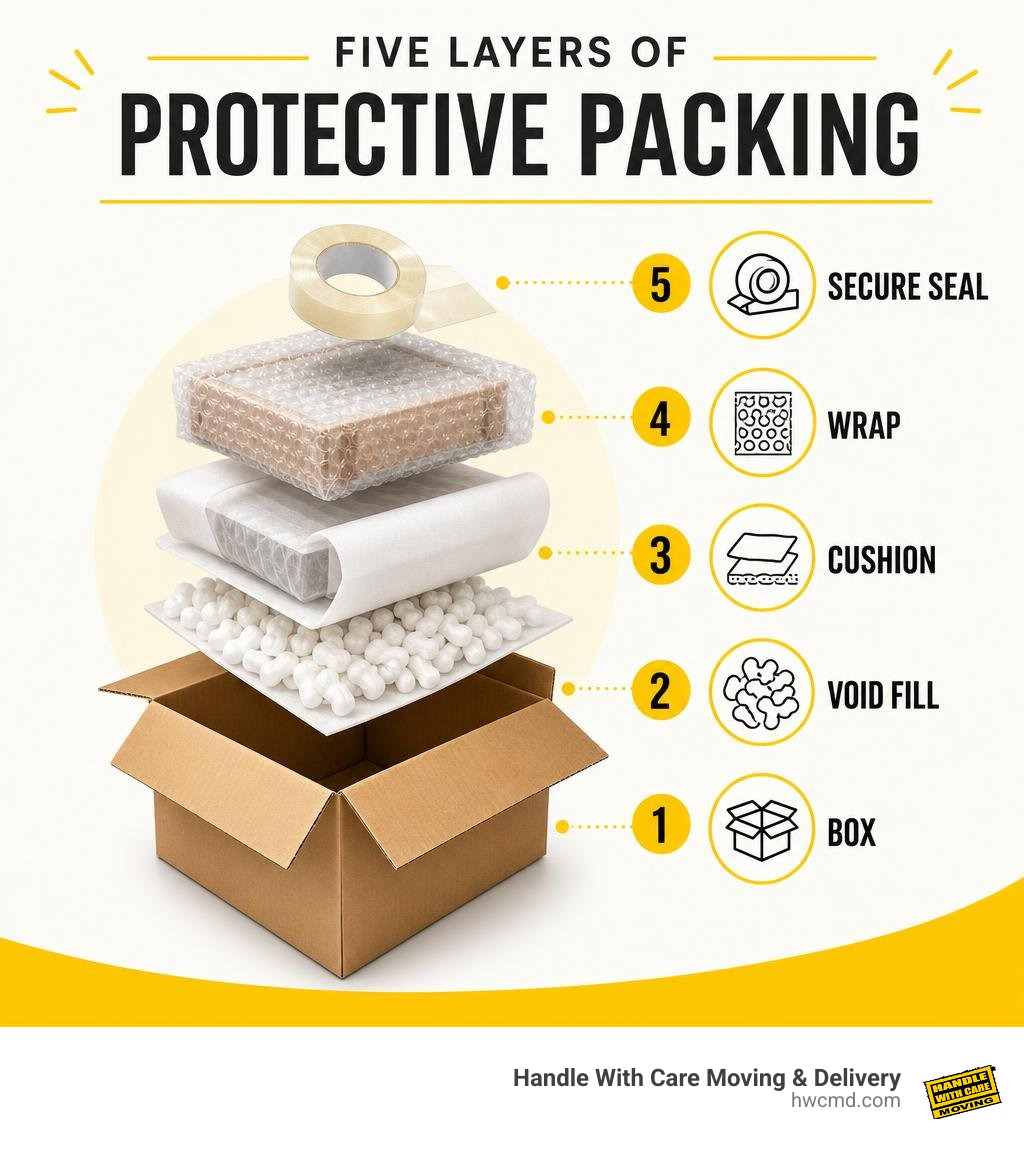
The right packing materials do two jobs: they protect each item from impact and keep it from shifting inside the box or truck. For most local moves, start with sturdy corrugated boxes, heavy-duty packing tape, clean packing paper, bubble cushion for fragile items, stretch wrap for furniture, and moving blankets for large pieces.
Use each material for its strength:
- Packing paper wraps dishes, glasses, and decor, then fills empty box space.
- Bubble cushion adds impact protection for fragile or sharp-edged items.
- Stretch wrap holds drawers, doors, and padded blankets in place. It is not a substitute for cushioning.
- Moving blankets protect furniture from scratches, dents, and rubbing.
- Strong tape seals box seams so cartons stay closed under weight.
A good rule is simple: wrap fragile items individually, cushion the bottom and sides of the box, fill every gap, and use a box that matches the item’s weight. This approach helps budget-conscious movers avoid a costly mistake: saving a few dollars on supplies, then replacing damaged belongings.
I’m Anthony Denha, President of Handle With Care Moving & Delivery, and I work with crews that see every day how the right packing materials affect a move’s safety and speed. In the sections ahead, I’ll break down what to buy, what to skip, and how to protect your belongings without overspending.
Essential Packing Materials for Every Move
Every successful relocation begins with the foundational supplies that hold your items securely during transit. Skimping on foundational gear often leads to crushed containers, torn cardboard, and damaged keepsakes. By selecting proper, professional-grade items right away, you set a standard of safety that carries through your entire moving process.
Corrugated Boxes and Heavy-Duty Sealing Tapes
Cardboard cartons are not all built the same. Standard single-wall boxes work fine for lightweight household items like linens, clothing, and toys, but heavier or delicate goods demand double-wall corrugated construction. When you are mastering your move with the best packaging materials, pay close attention to box sizing:
- Small cartons (1.5 cu. ft.): Best for dense, heavy objects like books, canned food, tools, and small electronics. Keep individual box weights under 50 pounds.
- Medium cartons (3.0 cu. ft.): Ideal for pots, pans, small appliances, and general home decor.
- Large and extra-large cartons (4.5–6.0 cu. ft.): Built for lightweight, bulky goods such as pillows, comforters, and winter coats.
- Specialty dish packs: Feature double-thick walls to absorb dynamic road shocks and protect fine china.

To keep cartons intact under heavy loads, use a high-performance tape rather than standard cellophane or masking tape. Standard consumer sealing tape measures 1.88 inches in width, but thickness matters just as much. A 3 mil heavy-duty shipping packaging tape provides the tensile strength needed to prevent splitting and tearing across rough handling. Strong solvent-free adhesive bonds directly to recycled corrugated fibers, meaning you only need a single strip across the center seam and edges to seal a box shut.
Surface Protection: Stretch Wrap and Moving Blankets
Furniture surfaces, polished wood, and upholstery need reliable defenses against scuffs, dust, and vibrations on the road. Thick, quilted moving blankets act as shock-absorbing shields, preventing gouges and rub marks when items sit side by side in the moving truck.
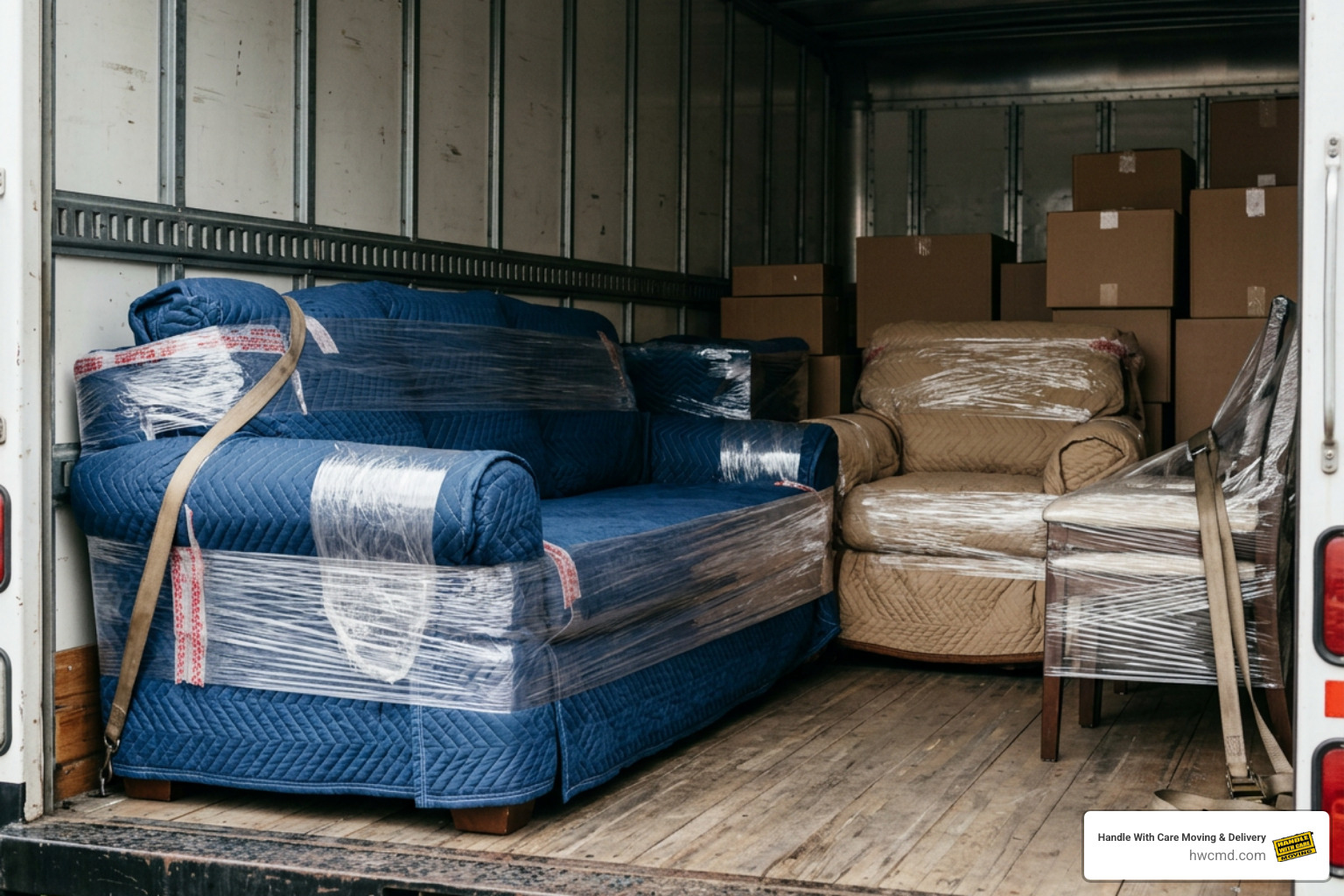
Once blankets are wrapped securely around dressers, tables, and headboards, bind them tightly using industrial stretch film. An 80-gauge (12-micron) stretch wrap clings directly to itself without leaving sticky adhesive residue behind on your valuable finishes. Stretch film also serves to immobilize cabinet doors, hold loose dresser drawers in place, and keep sectional sofa cushions clean and protected against moisture during loading.
Furniture Sliders and Load-Securing Straps
Moving heavy pieces requires tools that protect your physical health as well as your home’s flooring. Heavy-duty felt furniture sliders allow heavy desks, armoires, and sofas to glide smoothly across hardwood, laminate, or tile without scratching delicate wood grain or snagging carpets. For hard floors, 3-1/2-inch round felt slider pads distribute weight evenly, making heavy items easy to maneuver.
Once items are inside the truck, stabilization prevents shifting during transit. High-capacity tie-down systems, such as 12 ft. x 1 in. ratchet tie-down straps with secure S-hooks, anchor your furniture and stacked box tiers directly to the truck’s internal rails. Proper weight distribution and firm tie-down points prevent cargo shifts when taking sharp turns or sudden stops.
Comparing Protective Cushioning and Void Fill Options
Cushioning wraps individual items, while void fill occupies the empty space inside boxes to keep contents from shifting. Selecting the right combination of both ensures fragile belongings stay intact.
Traditional Bubble Cushioning vs. Clean Packing Paper
Bubble cushion and packing paper are the two most common wrapping materials in the moving industry, and each has its distinct advantages:
| Material Type | Primary Use Case | Protection Level | Cost Efficiency | Recyclability |
|---|---|---|---|---|
| Clean Newsprint Paper | Wrapping dishes, cups, void fill | Medium (Scratch & Minor Shock) | High (Very Affordable) | 100% Curbside Recyclable |
| Small Bubble Wrap (3/16″) | Surface protection, delicate glassware | High (Scratch & Vibration) | Moderate | Specialty Drop-Off |
| Large Bubble Cushion (5/16″) | Large breakables, heavy void fill | High (Impact & Drop Shock) | Moderate | Specialty Drop-Off |
| Honeycomb Paper Wrap | Fragile ceramics, bottles, decor | High (Interlocking Cushion) | Moderate to High | 100% Curbside Recyclable |
| Biodegradable Paper Fill | Box void fill, general blocking | Medium (Stabilization) | High (Economical) | 100% Biodegradable |
Clean, ink-free packing paper for moving (100 sheets) measuring 24″ x 30″ provides a non-abrasive barrier that protects glazed ceramics, porcelain, and glassware without leaving ink stains. When crumpled tightly, newsprint paper serves as a dense, shock-absorbing bottom cushion for dish boxes.
For heavy, breakable items like crystal vases or small kitchen appliances, ENVIRO-BUBBLE® cushion for moving & shipping offers excellent impact absorption. Made from recycled polyethylene, its 5/16-inch bubble profile creates an air-filled buffer that protects against external impacts. Applying essential packing 101 techniques means pairing paper against the item’s surface to prevent abrasion, then finishing with an outer layer of bubble cushion to absorb shocks.
Sustainable and Biodegradable Packing Materials
If you want to minimize single-use plastics during your move, paper-based alternatives provide strong protection while keeping materials out of landfills.
Innovative options like 15″ x 135′ honeycomb packaging paper expand when pulled, creating an interlocking hexagonal web that cushions fragile items. A quality Scotch cushion wrap 175 ft roll expands up to 60 times its flat thickness, holding onto itself without requiring adhesive tape. This design provides dependable cushioning while using significantly less storage volume before application.
To fill empty box space cleanly, Fullpack – 100% ecological paper filler offers an effective, biodegradable alternative to traditional plastic foam peanuts. Paper void fill with a grammage between 70g/m² and 90g/m² compresses into firm cushions that immobilize heavy items, preventing box crushing while allowing easy curbside recycling after unpacking.
How to Pack Fragile and Irregularly Shaped Items
Fragile goods require a methodical wrapping approach to handle shifting weights and transit vibrations safely.
Step-by-Step Wrapping for Kitchenware and Glassware
Kitchen items are among the most vulnerable during a move. Follow these time-tested guidelines to keep your dishware intact:
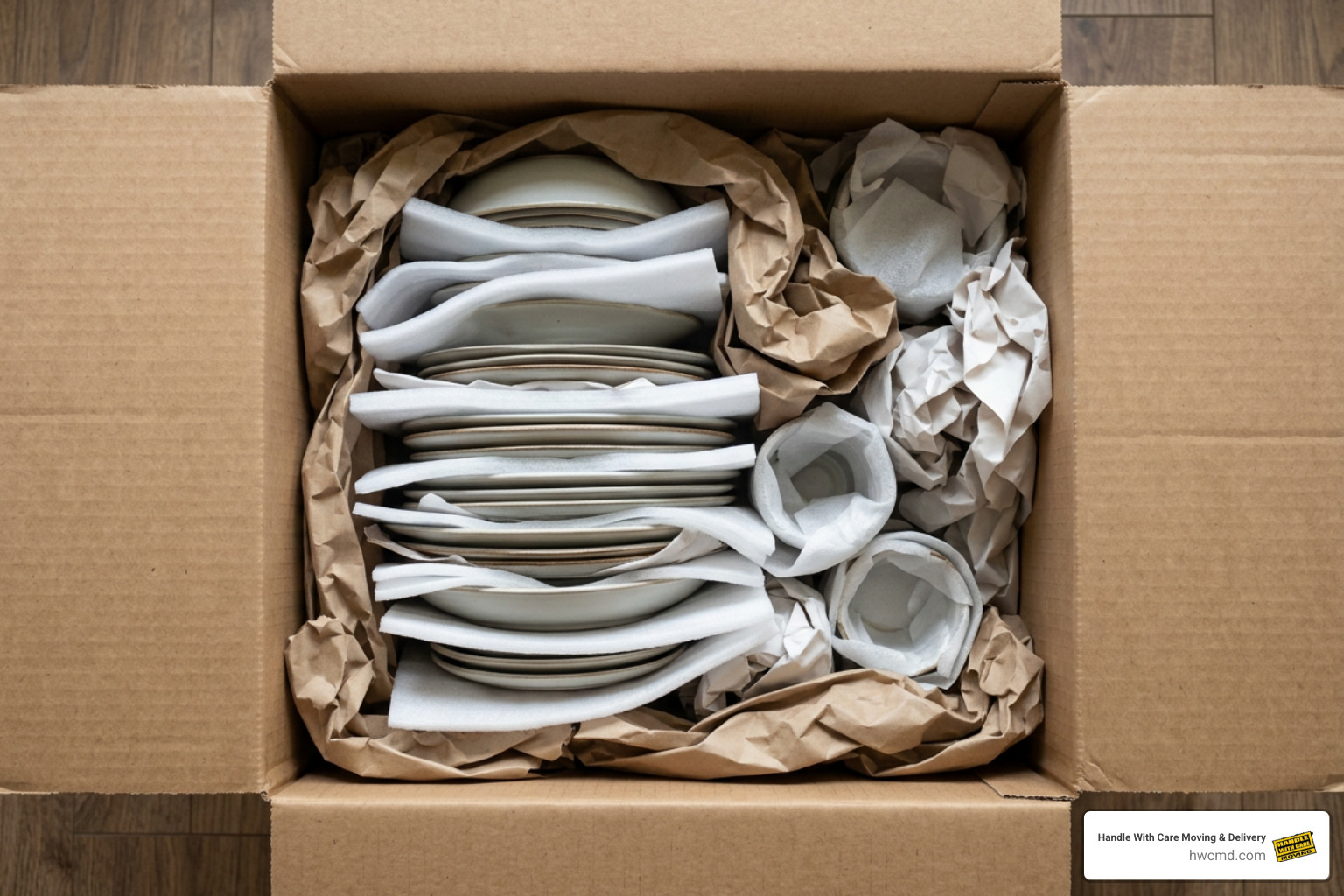
- Reinforce the Box Base: Line the bottom of a heavy-duty dish pack carton with 3 to 4 inches of crumpled newsprint paper to establish a shock-absorbing foundation.
- Wrap Items Individually: Lay a plate in the center of your paper sheet, fold the corners over, place a second plate on top, and wrap again to create protective nested bundles of three to four plates.
- Pack Plates Vertically: Never pack plates or platters flat. Stand them on their edges inside the carton, as vertical placement absorbs road shocks far better than flat stacking.
- Cushion Glassware and Stems: Stuff the inside cavity of wine glasses and mugs with crumpled paper to support structural walls, then wrap the exterior in two to three layers of paper or small bubble wrap.
- Fill All Empty Space: Fill gaps between items with tightly crumpled paper. The box should have no internal movement when gently shaken.
For deeper insights into safeguarding your kitchen, review our dedicated guides on how to pack dishes for a move, the best way to pack dishes for shipping safely, and the best way to pack dishes for storage without damage.
Cushioning Oddly Shaped Home Decor and Electronics
Items with irregular shapes—such as table lamps, framed artwork, bronze sculptures, and desktop electronics—require customized padding to eliminate pressure points:
- Lamps and Shades: Remove bulbs and harps, packing them separately. Wrap the base in thick bubble cushioning, and place lampshades individually inside clean, paper-lined boxes without heavy nesting.
- Framed Artwork and Mirrors: Apply low-tack artist tape in an “X” pattern across the glass surface to keep it intact in case of breakage. Slide corner protectors over the frame, wrap the piece in bubble cushion, and place it inside a telescoping picture box.
- Delicate Electronics: Use anti-static bubble wrap or foam to prevent static discharge from damaging sensitive circuit boards. Cushion the bottom of the box and pack cables alongside rather than wrapped tightly against the unit’s casing.
Common Packing Mistakes and How to Avoid Them
Even with quality supplies, packing errors can lead to broken items. Avoid these frequent missteps:
- Using Printed Newspaper on Porous Belongings: Newsprint ink easily transfers onto fine china, unsealed ceramics, lampshades, and upholstery, creating permanent stains. Always use unprinted, ink-free newsprint paper.
- Overpacking Heavy Boxes: Filling large boxes with dense items like books or canned goods creates cartons that tear open under their own weight and risk injury to movers. Keep heavy items in small boxes.
- Leaving Unfilled Voids Inside Boxes: When cartons have empty spaces, they cave in when stacked inside the moving truck. Fill all gaps with crumpled paper or expanding paper filler until the box feels firm to the touch.
- Relying on Masking or Duct Tape: Masking tape lacks tensile holding strength, while standard duct tape can peel away from cardboard surfaces under temperature changes. Use dedicated 3 mil packaging tape for all box seams.
- Following Unverified Moving Hacks: Viral packing tricks—like using garbage bags for clothes or skipping bubble wrap with towels—often result in torn fabrics and damaged breakables. Stick to reliable supplies and proven techniques outlined in our 10 great moving tips to make your move efficient and easy.
Sourcing Quality Packing Supplies on a Budget
Purchasing moving materials does not have to break your budget if you source them strategically.
Where to Buy Affordable Packing Materials
- Wholesale Packaging Distributors: If you are packing an entire home, buying boxes, stretch wrap, and tape in bundled case quantities yields substantial savings compared to single-unit retail pricing.
- Home Improvement Stores: Major home centers offer cost-effective moving kits and customer-friendly 90-day return policies on unused boxes and supplies, allowing you to return surplus materials after moving day.
- Direct-from-Manufacturer Paper Outlets: Sourcing newsprint paper bundles and expanding paper rolls directly from commercial distributors helps you secure bulk discounts on void fill.
When to Hire Professional Moving and Packing Services
Packing an entire household takes substantial time, physical effort, and organization. If balancing work schedules, family routines, or fragile collections feels overwhelming, partnering with professional movers offers immediate peace of mind.
Professional packing teams bring heavy-duty supplies, specialized crates, and years of packing experience to protect your belongings efficiently. Discover how full service packers can save your sanity during a move and explore what to expect when hiring movers who pack for you. If you prefer hands-on assistance, scheduling local packing services near me to make moving completely stress-free ensures your move is handled smoothly from start to finish.
Frequently Asked Questions About Packing Materials
What is the most cost-effective packing material for moving a whole home?
Unprinted newsprint packing paper paired with bundled corrugated cartons is the most economical, protective combination. Newsprint costs significantly less per square foot than bubble wrap and serves as both an item wrap and a dense void fill when crumpled.
Can I reuse printed newspaper instead of buying unprinted packing paper?
We advise against using printed newspaper directly against belongings. The petroleum- and soy-based inks used in modern printing rub off onto dishes, crystal, matte plastics, and painted surfaces, requiring extensive cleaning and often causing permanent stains. Reserve printed news strictly for outer padding or box-bottom void fill inside sealed plastic bags.
How do I determine how many moving boxes and rolls of tape I need?
A standard rule of thumb for a moderately furnished home is:
- 1-Bedroom Apartment: 20–30 boxes, 2–3 rolls of heavy-duty tape, 5 lbs of packing paper.
- 2-to-3-Bedroom Home: 50–75 boxes, 4–6 rolls of heavy-duty tape, 10–15 lbs of packing paper.
- 4+-Bedroom Home: 100+ boxes, 8–10 rolls of heavy-duty tape, 20–25 lbs of packing paper.
Plan on approximately one roll of 54-yard packing tape for every 15 to 20 medium boxes.
Conclusion
A successful, damage-free move relies on using the right packing materials for every item in your home. By matching your packing strategy to each item’s weight, fragility, and surface finish, you protect your belongings from damage while keeping moving day organized and efficient.
At Handle With Care Moving & Delivery, we believe top-tier moving support should be straightforward and stress-free. Serving Ann Arbor, Michigan, we provide professional moving, packing, and delivery services with transparent 15-minute increment billing, no labor minimums, and complimentary pad and shrink wrap protection on every move. We also proudly offer discounts for students, seniors, and military veterans.
Whether you need premium moving materials or full-service packing support, explore our professional Packing Services & Materials or contact us today to claim your Free Quote!