
The Ultimate Guide to Gig Delivery Apps and Earnings
Gig Delivery Apps: A Quick Guide to Earning in 2026
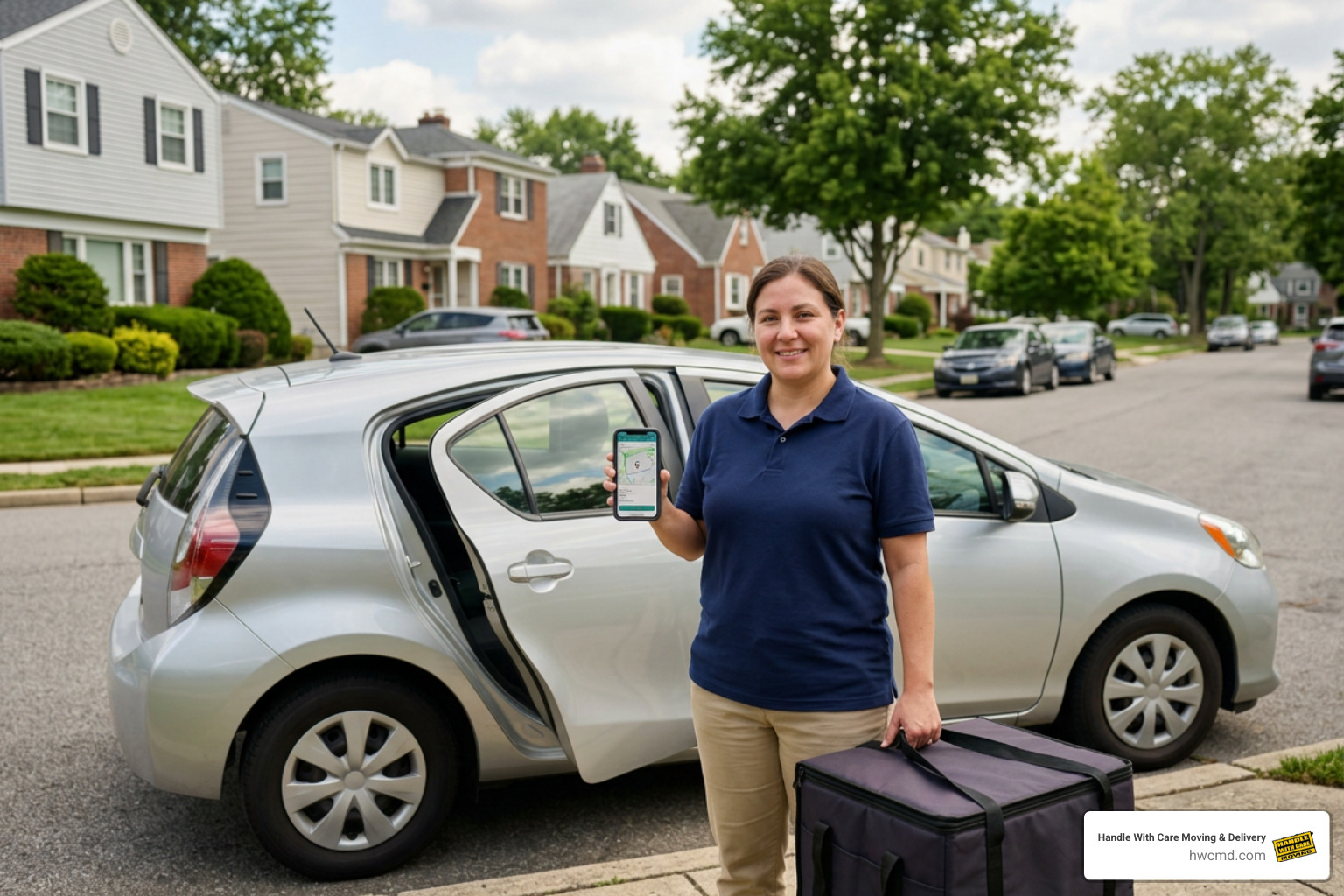
Gig delivery apps let independent drivers earn by delivering restaurant meals, groceries, retail orders, packages, and larger items on a schedule they control. For most beginners, DoorDash offers the broadest order volume, while Instacart and Shipt can produce stronger pay per active hour for drivers willing to shop and carry groceries.
| Gig delivery app category | Common examples | Best for | Typical tradeoff |
|---|---|---|---|
| Food delivery | DoorDash, Uber Eats, Grubhub | Quick starts, flexible evening work | More miles and restaurant wait time |
| Grocery shopping | Instacart, Shipt | Higher tips and fewer trips per hour | Shopping, parking, and heavier lifting |
| Package delivery | Amazon Flex, Roadie | Scheduled routes and clearer blocks | Limited availability and multi-stop routes |
| Large-item and specialty delivery | Heavy-haul, catering, medical courier apps | Pickup trucks, cargo vans, experienced couriers | More equipment, insurance, or training may be needed |
The best app is rarely the one with the highest advertised payout. It is the one that fits your vehicle, available hours, local demand, and actual cost per mile. A sedan or hybrid may work well for food runs, while a pickup truck or cargo van can make better use of its space on larger-item delivery work.
This guide compares the major options, explains what drivers really keep after fuel, maintenance, and taxes, and outlines the tools and habits that make delivery work safer and more efficient.
I am Anthony Denha, President of Handle With Care Moving & Delivery, where careful loading, route planning, and clear customer communication are part of every job. My experience in moving and local transport offers a practical view of how gig delivery apps intersect with vehicle capacity, time management, and reliable delivery service.
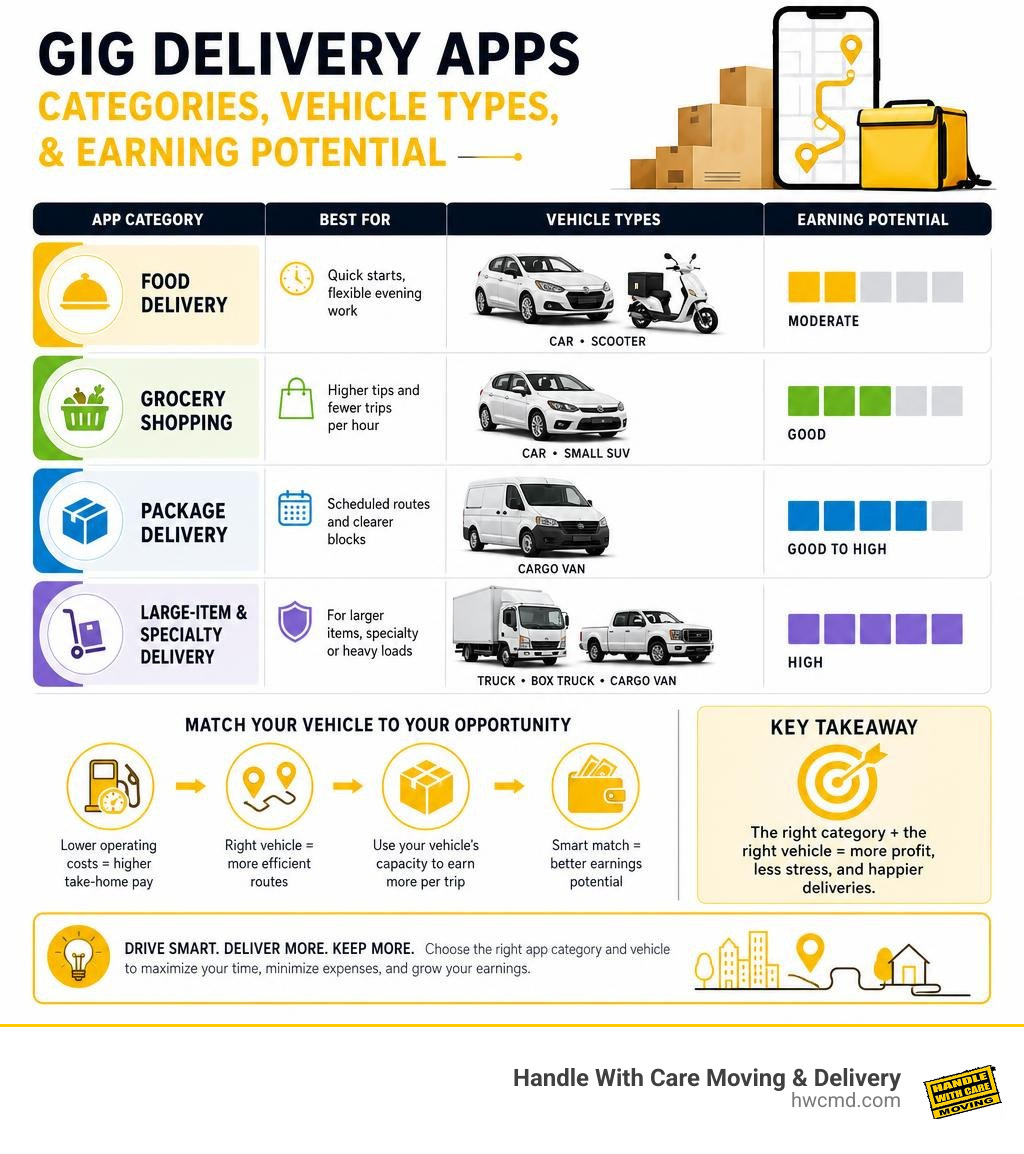
Categorizing Top Gig Delivery Apps by Earnings and Vehicle Type
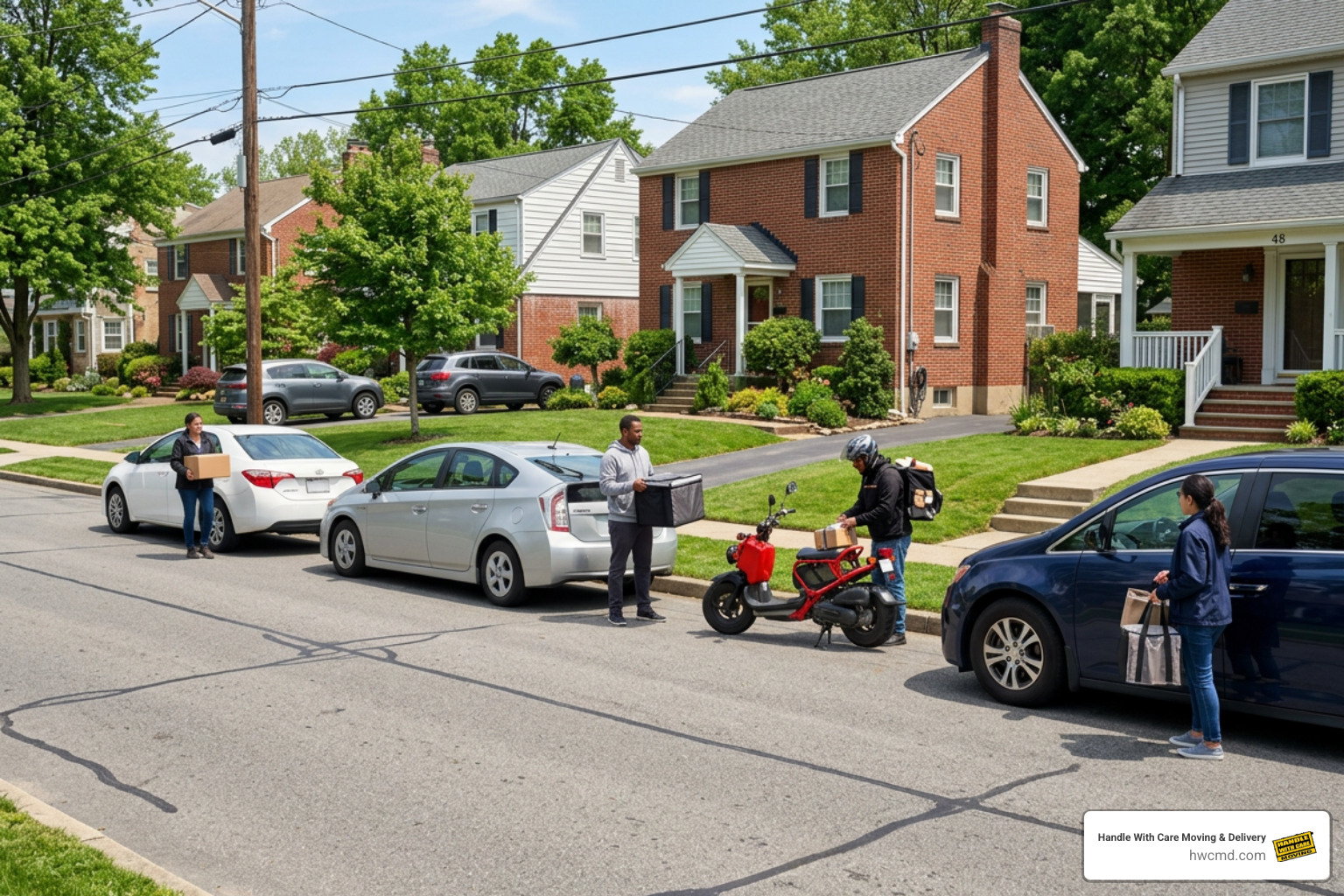
When entering the gig economy, matching your vehicle to the right app category is the single biggest factor in determining whether you earn a profitable return or just burn gas. Driving a fuel-thirsty V8 pickup truck to deliver a $7 takeout order across town will rapidly drain your net profits. Conversely, taking compact sedan orders when you own a full-sized cargo van leaves high-paying cargo opportunities on the table.
| App Category | Primary Platforms | Ideal Vehicle Type | Average Net Hourly Pay | Key Requirement |
|---|---|---|---|---|
| Food Delivery | DoorDash, Uber Eats, Grubhub | Compact Sedan, Hybrid, Scooter | $14.00 – $18.50/hr | Fast order acceptance & rapid turnaround |
| Grocery Shopping | Instacart, Shipt | Any reliable vehicle with trunk space | $18.00 – $19.50/hr | Physical stamina & order accuracy |
| Package Logistics | Amazon Flex, Roadie, Veho | Mid-size SUV, Sedan, Van | $18.00 – $25.00/hr | Fast app refreshing to claim blocks |
| Heavy Haul & Freight | Specialty Logistics Platforms | Pickup Truck, Cargo Van, Box Truck | $30.00 – $60.00/hr | Heavy lifting, straps, cargo padding |
| Catering & Medical | DeliverThat, dlivrd, Dropoff | Sedan or Van with clean interior | $22.00 – $35.00/hr | Professional appearance & HIPAA compliance |
Food and Grocery Gig Delivery Apps for Beginners
For new drivers, food and grocery platforms serve as the main entry point into the gig workforce due to low barriers to entry and immediate onboarding.
- DoorDash: Holding the largest market share in food delivery, DoorDash: Food, Grocery and Retail – Fast Same Day Delivery provides unmatched order volume. New drivers typically report first-week gross earnings between $320 and $450 for 20 hours of work. However, because new drivers spend time learning zone geography and restaurant layout quirks, first-week earnings tend to be about 18% lower than earnings in week four.
- Uber Eats: Highly popular in urban markets, Uber Eats features active surge multipliers reaching up to 2.5x during rush hours. These multipliers can boost gross rates to $23.40 per hour for experienced drivers who know where to position themselves.
- Instacart: Among shopping platforms, Instacart offers one of the best starter experiences for net hourly earnings. Beginners average $19.05 per hour net in their first week, supported by high average tips of $4.50+ per batch.
- Shipt: Operating heavily through major retail partnerships, Drive and Shop with Shipt App – App Store personal shoppers earn an average of $18.00 per order (including roughly $8.40 in tips), yielding a net average of $18.58 per hour.
- Grubhub: Known for its scheduling block system, Food Delivery | Restaurant Takeout | Order Food Online | Grubhub offers steady base earnings. In mid-sized metro areas like Chicago, drivers average $9.43 per order, translating to approximately $14.18 per hour net.
Additionally, secondary platforms like Postmates: Food Delivery, Groceries, Alcohol – Anything from Anywhere (now operating on Uber’s underlying delivery dispatch network) offer supplementary orders across convenience, retail, and alcohol sectors.
High-Yield Specialty Gig Delivery Apps for Heavy Haul and B2B
If you own a larger vehicle or carry professional certifications, high-yield specialty apps provide significantly higher payouts per trip compared to standard food delivery.
- Heavy-Haul Apps: Specialized freight and logistics platforms connect drivers who have pickup trucks, cargo vans, or box trucks with businesses needing large items transported. A single short cargo haul can pay $45 to $60, compared to roughly $20 per hour delivering burgers in the same truck.
- Corporate Catering Apps: Platforms such as DeliverThat and dlivrd dispatch pre-scheduled lunch catering orders to offices. Because these orders often total several hundred dollars, tip payouts regularly exceed $50 for a single delivery setup that takes under an hour.
- Medical Courier and B2B Logistics: Companies like Dropoff and Senpex handle time-sensitive healthcare samples, medical devices, and legal documents. Drivers must often complete basic HIPAA compliance verification, but they enjoy higher base pay rates, predictable business hours, and respectful commercial dock environments.
At Handle With Care Moving & Delivery, we apply these exact same freight handling standards across our moving services, protecting bulky equipment and furniture using proper padding, tie-downs, and careful transport protocols.
Pay Structures and Net Profit Breakdown for Gig Delivery Drivers

Understanding how gig delivery apps calculate your earnings is critical to avoiding unprofitable deliveries. A gross earnings figure shown on your phone screen rarely reflects what ends up in your bank account after expenses.
To explore how structured delivery networks keep regional supply chains running efficiently, check out our insights on How Local Ann Arbor Delivery Services Keep the City Moving.
Understanding Base Rates, Tips, and Surge Multipliers
Modern delivery pay structure consists of three core components:
- Base Pay: The foundational amount offered by the platform, calculated using estimated trip time, distance, and local order desirability.
- Customer Tips: The portion supplied directly by the consumer. Drivers retain 100% of customer tips across all major platforms.
- Surge Pricing and Bonuses: Dynamic pay bumps added during peak meal times, bad weather, or high order volume periods.
When reviewing incoming order offers on platforms like Become a Delivery Driver Using Uber Eats | Uber, drivers are given a short acceptance window—ranging from 15 seconds on Uber Eats to 40 seconds on DoorDash—to evaluate total distance, payout, and drop-off location before making an acceptance decision.
Calculating True Net Hourly Income and Overhead
To determine true profitability, drivers must calculate their total cost per mile and subtract it from their gross earnings. Overhead costs fall into three main categories:
- Fuel Costs: Fluctuating pump prices directly impact hourly margins.
- Vehicle Maintenance and Wear: Depreciation, tires, brakes, oil changes, and unscheduled repairs cost the average delivery driver between $0.15 and $0.25 per mile.
- Tax Obligations: As 1099 independent contractors, gig workers must pay self-employment tax in addition to standard income taxes.
For 2026 tax filings, the IRS standard mileage deduction rate provides a valuable tax write-off (around $0.76 per mile), helping offset contractor tax liabilities on Schedule C filings.
For instance, if you drive 50 miles grossing $100 in 4 hours, and your calculated vehicle cost is $0.30 per mile, your real cost is $15. Subtracting $15 leaves $85 pre-tax gross ($21.25/hr), before accounting for self-employment tax withholding.
Smart Strategies to Maximize Daily Delivery Profits
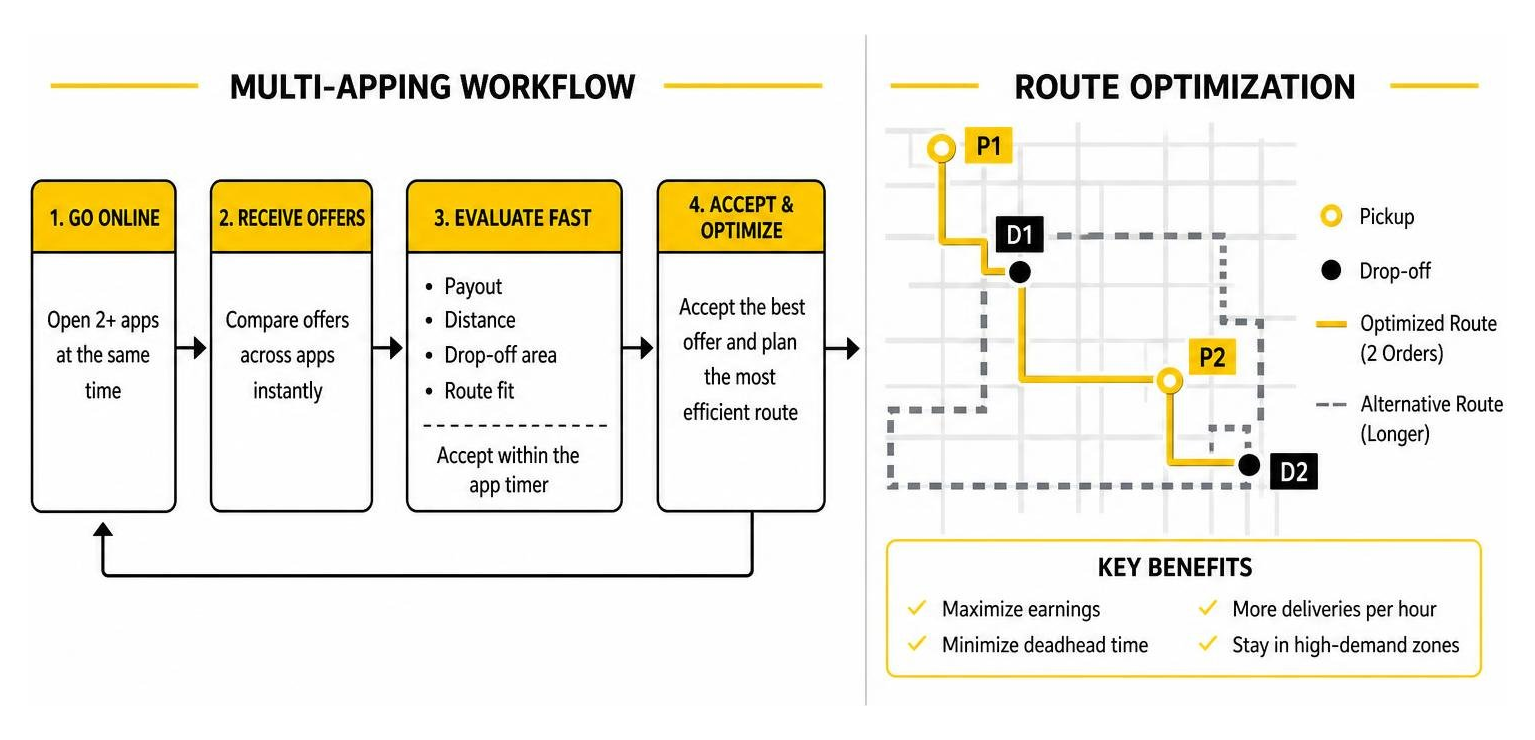
Maximizing your income on gig delivery apps requires moving beyond passive acceptance of every ping. Top earners run their delivery vehicle like a lean logistics business.
Multi-Apping Techniques and Route Optimization
Multi-apping—running two or more apps simultaneously—is the most effective method for eliminating unpaid idle time.
- Selective Stacking: Keep multiple apps active while waiting for an order. Once you accept a high-value order on one app (e.g., DoorDash), pause the other apps (e.g., Uber Eats, Grubhub) until you are five minutes away from your drop-off point.
- Zone Positioning: Avoid parking in over-saturated restaurant strips. Instead, position yourself near clusters of high-end casual dining restaurants or busy grocery corridors during peak hours.
- Scheduling Blocks: Lock in guaranteed shifts on platforms like Grubhub or Amazon Flex to maintain an income baseline, using non-scheduled apps to fill unexpected gaps.
Essential Gear and Managing Daily Operational Challenges
Having professional delivery gear protects items from damage, keeps food at proper temperatures, and improves operational speed.
- Insulated Catering Bags: Essential for preserving temperature and securing larger multi-bag food orders without spills.
- Magnetic Phone Mounts: Securing your phone on the dash improves road safety and allows rapid, one-touch order acceptance.
- Cargo Straps and Moving Pads: Critical for heavy haul and package logistics to keep items secure during transit.
When handling fragile items or complex order packaging, using proper Packing Services Materials ensures customer items arrive intact and in top condition.
Handling long wait times at slow restaurants requires setting a strict rule: if food is not ready within 10 minutes of arrival and the order pay is modest, unassign the order to protect your hourly earnings.
Frequently Asked Questions About Gig Delivery Work
Which gig delivery app pays the most for beginners?
Instacart currently offers the highest net hourly earnings for beginners, averaging $19.05 per hour net during week one. Grocery shoppers benefit from higher customer tipping percentages and less windshield wear per hour. For drivers who prefer quick food drops over grocery shopping, DoorDash yields the most consistent first-week order volume, grossing $320 to $450 for 20 hours of driving.
How do drivers track vehicle expenses and taxes effectively?
Drivers should use automated mileage tracking apps (such as MileIQ, Stride, or Gridwise) that run silently in the background via GPS. Keep dedicated records of all parking fees, tolls, insulated bag purchases, and phone accessories. Setting aside 20% to 30% of net weekly earnings into a dedicated tax savings account ensures you are prepared for quarterly estimated tax payments.
What vehicle is best suited for gig delivery work?
For standard food and grocery delivery, fuel-efficient compact sedans, hybrids, and electric vehicles offer the lowest operating cost per mile. For specialized heavy-haul and large-item delivery, a full-size pickup truck or cargo van unlocks access to orders paying $30 to $60 per trip, easily offsetting higher fuel expenses when managed strategically.
Conclusion
Succeeding in the modern gig economy comes down to choosing the right gig delivery apps for your vehicle type, calculating true net costs per mile, and using smart multi-apping strategies to eliminate unpaid downtime. Whether you are delivering quick takeout meals, handling weekly grocery orders, or moving heavy freight across town, treating delivery work with structured professionalism unlocks flexible earning opportunities.
At Handle With Care Moving & Delivery, we bring this same dedication, careful transit handling, and transparent pricing to every job we undertake. If you ever need commercial transport or stress-free residential moving support, explore our professional Moving solutions today.