
The Ultimate Guide to Furniture Delivery Services and Apps
How to Choose a Furniture Delivery Service
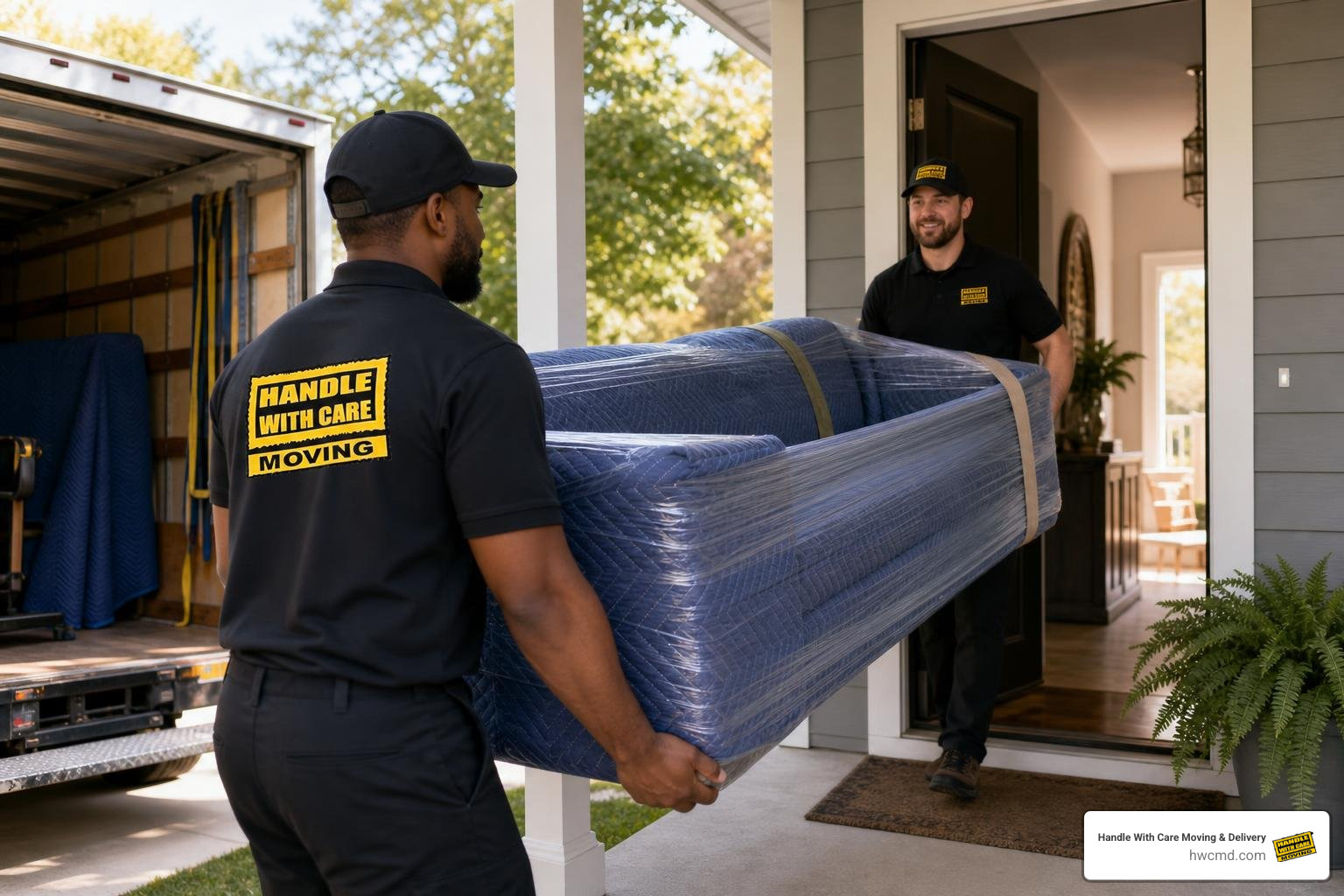
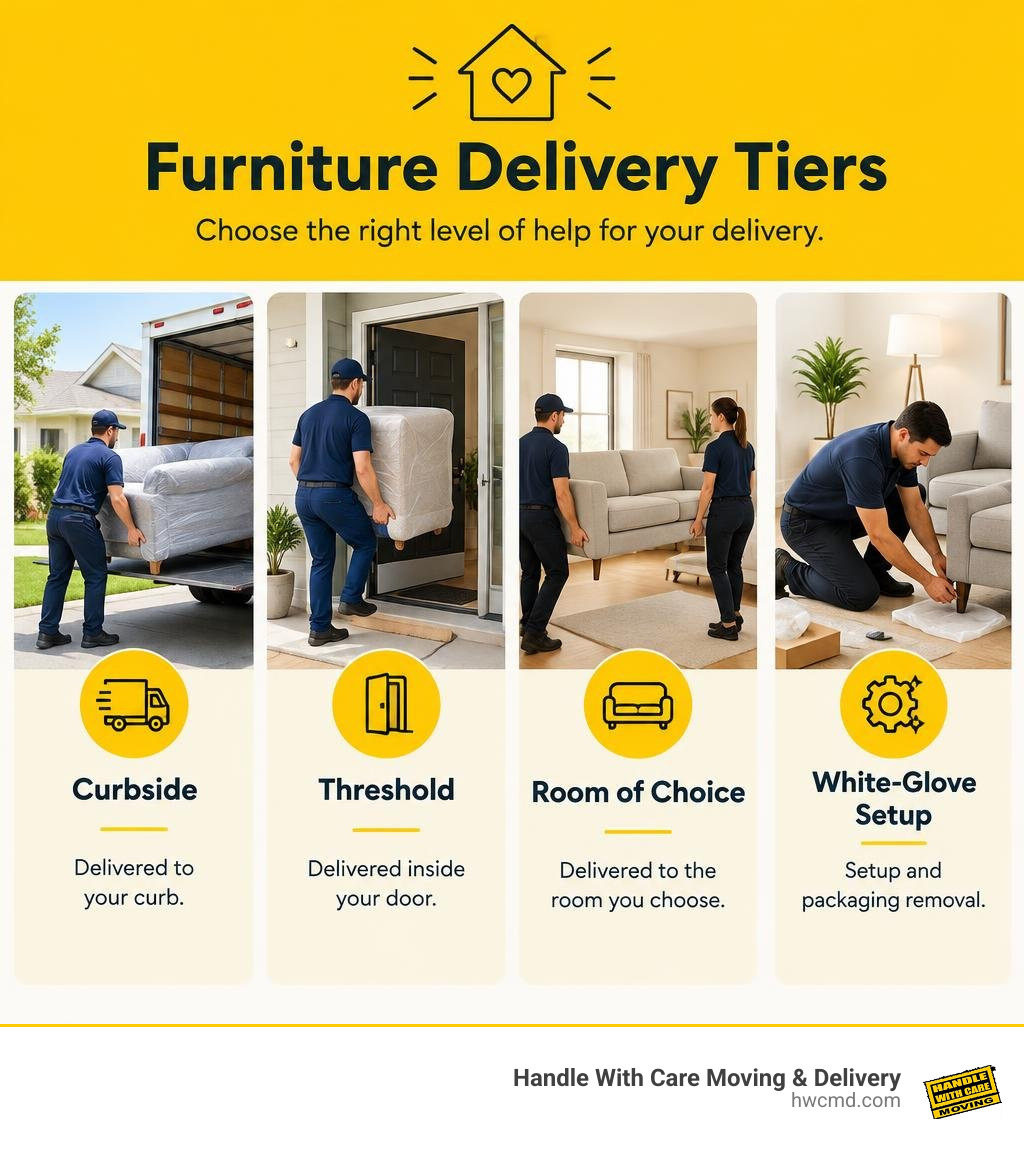
For a large furniture pickup or delivery, choose curbside or threshold drop-off if you can handle the move inside. Choose room-of-choice delivery if you need help carrying the piece in, or white-glove service if you also want setup and packaging removal.
Buying from a store or a private seller? Compare the seller’s delivery option, an on-demand app, and a local moving crew. Before booking, check who does the lifting, whether the vehicle fits the item, where the service operates, and what the full price includes.
I’m Anthony Denha, president of Handle With Care Moving & Delivery. I oversee the crews, wrapping, routes, and customer updates behind a reliable furniture delivery service; the first step is matching the service tier to the help you need.
Easy furniture delivery service word list:
- best way to pack furniture for moving
- easy ways to move heavy furniture
- how to find home delivery options
Choosing the Right Furniture Delivery Service Tier
When booking final-mile transport for heavy furnishings, selecting the right level of assistance determines how much physical labor you must perform yourself. Shipping models range from simple exterior drop-offs to end-to-end installation. Reviewing a comprehensive breakdown of options helps you understand how different providers structure their transit tiers when finding home delivery options.
| Delivery Tier | Typical Price Range | Labor Provided | Assembly & Debris Removal | Best Suited For |
|---|---|---|---|---|
| Curbside | $0 – $50 (Often Free) | Unloaded at curb or driveway edge | None (Customer unboxes and assembles) | Budget shoppers with extra help |
| Threshold | $55 – $80 | Brought past doorway / first dry area | None (Customer moves to final room) | Small items, flat-pack goods |
| Room of Choice | $80 – $130 | Carried up stairs to designated interior room | None (Placement only) | Heavy sectionals, multi-story setups |
| White-Glove | $140 – $250+ | Full two-person carry to specified room | Complete assembly, placement, and debris removal | High-end goods, complex beds, tight spaces |
Threshold and Room-of-Choice Transport
Threshold delivery represents the standard entry-level indoor option. The carrier unloads your items from the truck and places them into the first accessible dry area on your property—typically a covered porch, garage, or main entryway hallway. Threshold transport keeps your cargo safe from rain and outdoor elements, but the drivers do not navigate indoor hallways, negotiate flights of stairs, or unpack the freight.
Room-of-choice transport adds interior staging. A two-person crew brings your boxed or wrapped furniture directly to your desired living space, whether that involves navigating a basement recreation area or carrying a solid wood dresser to an upstairs bedroom. While room-of-choice transport eliminates the risk of back strain from heavy lifting, it leaves unboxing, hardware fastening, and cardboard disposal to you.
What to Expect from a White-Glove Furniture Delivery Service
White-glove delivery provides comprehensive handling from transit to final placement. Retailers and freight logistics companies designed this premium tier for consumers who want an effortless experience without managing flat-pack hardware or bulky packing trash.
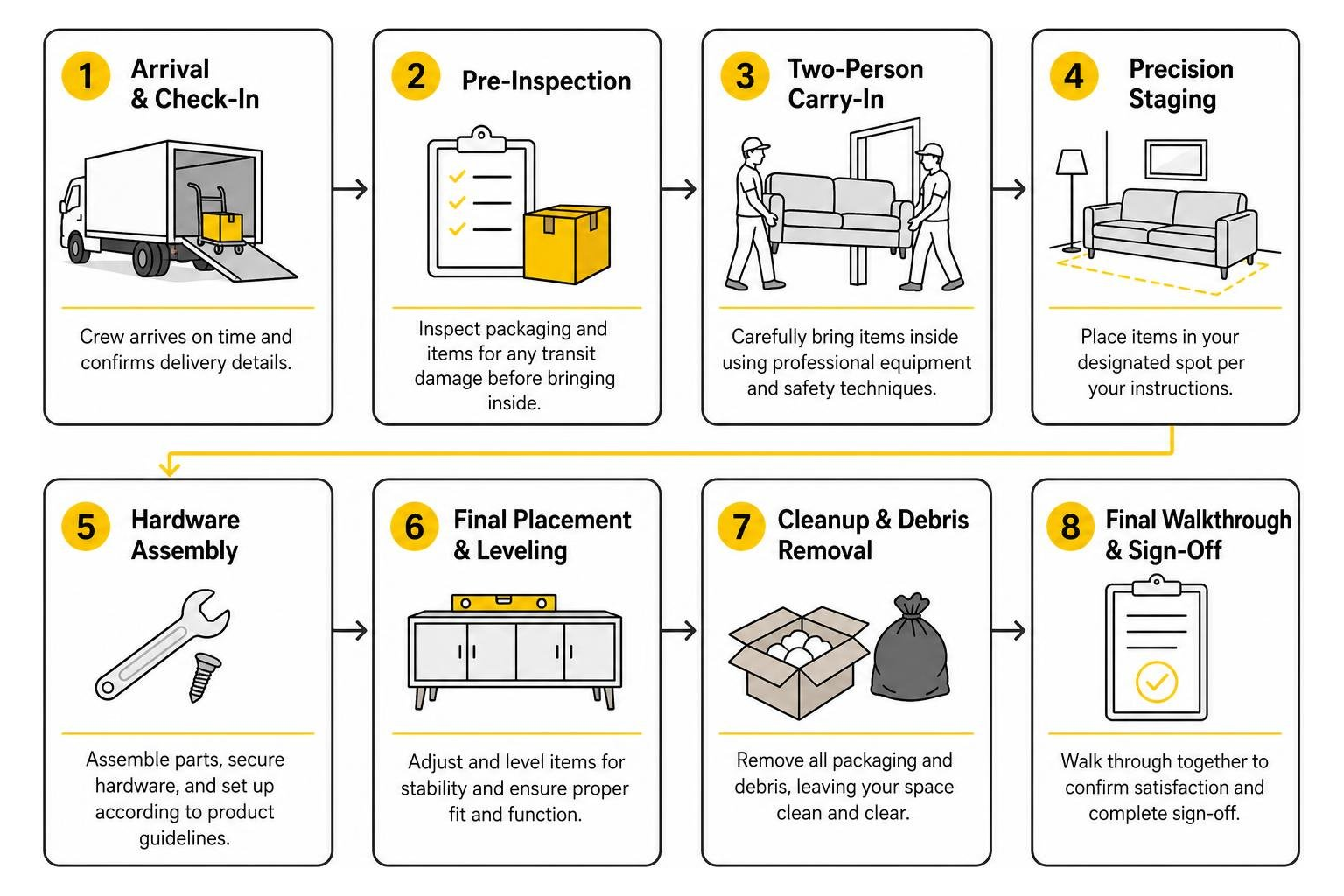
A standard white-glove visit includes:
- Pre-Inspection: Technicians inspect the freight packaging at the local hub or upon arrival to catch transit damage before bringing the piece inside.
- Two-Person Carrying Crews: Trained movers transport the item through narrow doorways using professional shoulder dollies and safety straps.
- Precision Staging: Positioning the item in your designated spot according to your exact room layout.
- Hardware Assembly: Attaching legs, leveling table leaves, connecting sectional brackets, and securing headboards. Standard white-glove contracts typically cover 30 minutes of dedicated assembly labor.
- Debris and Packaging Haul-Away: Stripping all shrink wrap, styrofoam, cardboard boxes, and edge protectors, loading the materials back onto the truck for recycling and disposal.
Choosing Between Self-Managed and Professional Furniture Transport
Sourcing pickup and drop-off assistance requires balancing cost, speed, and safety. Depending on whether you are acquiring a secondhand credenza from a digital marketplace or purchasing custom upholstery from a boutique showroom, you must decide how much of the transport and handling you want to manage yourself versus leaving to trained professionals. When handling delicate, high-value, or oddly shaped items, evaluating specialty packing and delivery services ensures your cargo receives adequate protection.
Quick Single-Item Pickups
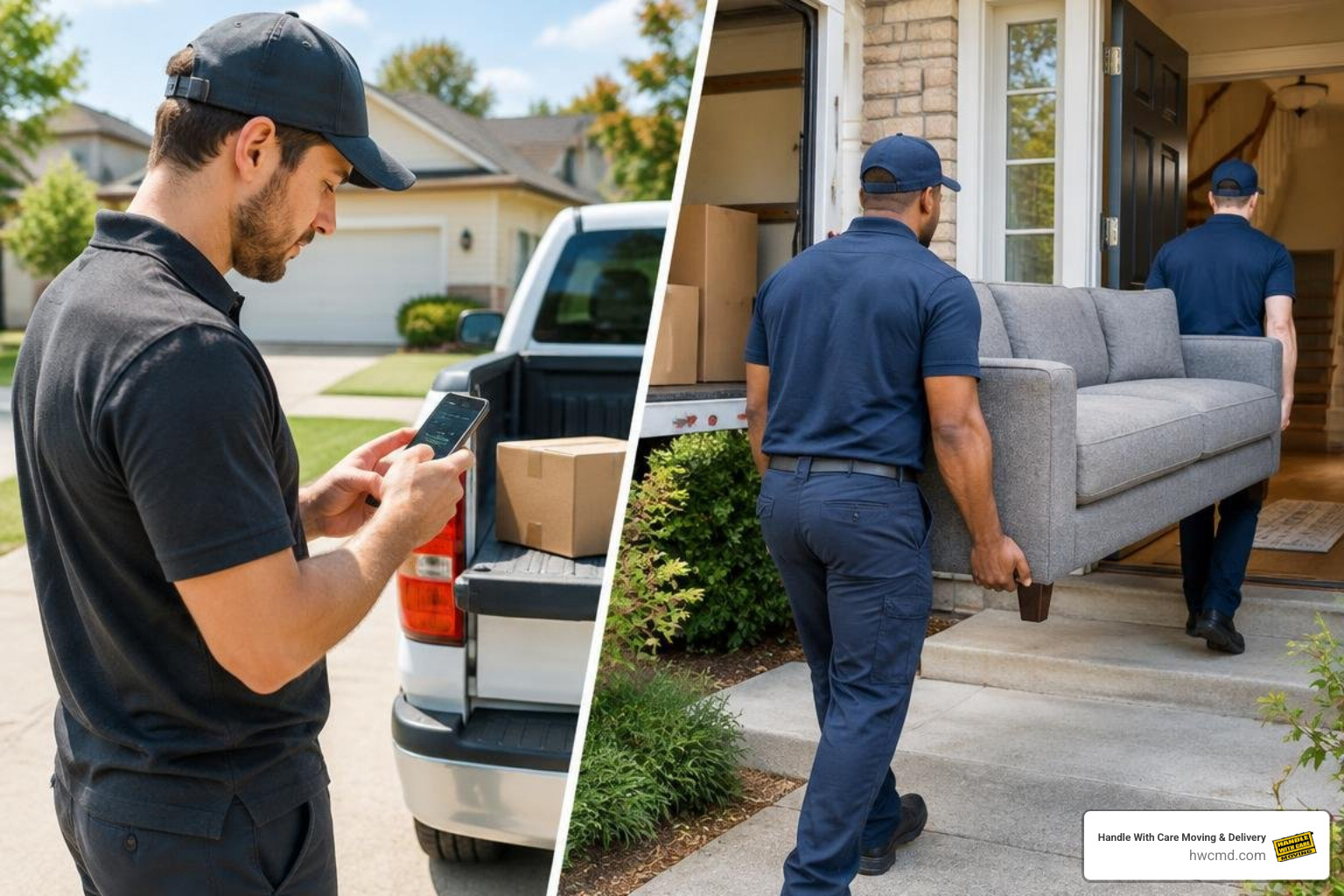
For fast turnarounds on local marketplace deals, estate sale purchases, or single-appliance runs, some shoppers try to arrange their own transport with a borrowed vehicle or a rented cargo van. This approach can work for small, lightweight pieces, but it comes with trade-offs:
- Variable Equipment: Personal vehicles often lack specialized liftgates or commercial cargo tie-downs.
- Labor Limitations: Without a trained two-person crew, you may need to lift the heavy end of a sofa yourself.
- Inconsistent Padding: Without commercial-grade moving quilts or heavy-duty stretch film, furniture surfaces remain exposed to scuffs. Learning how to pick the best furniture delivery app can help you evaluate cargo space, verified reviews, and helper availability if you choose this route.
When to Book a Dedicated Furniture Delivery Service
Commercial moving companies and established furniture carriers maintain commercial freight insurance, specialized vehicle fleets, and trained teams. You should reserve a dedicated carrier whenever handling:
- High-Value and Antique Goods: Delicate heirlooms, stone-top tables, and fragile cabinetry require custom crating services rather than basic ratchet straps.
- Multi-Piece Room Sets: Transporting complete bedroom suites or modular dining setups requires organized cargo distribution inside air-ride box trucks.
- Complex Architectural Navigation: Professional movers understand load distribution on historic staircases, tight apartment landings, and narrow elevator cabs, preventing property damage and personal injury.
Factors That Impact Shipping and Delivery Rates
Transport pricing for large consumer goods varies widely depending on your location, shipment volume, and access difficulty. Major home improvement retailers frequently offer free standard delivery on over 2 million catalog items, yet heavy or oversized freight shipments generally incur baseline fees ranging between $55 and $79. In contrast, specialized furniture showrooms often implement flat-rate metro models—charging a single fee of $140 per delivery for full-service setup across an entire order, regardless of the individual item count.
Distance, Weight, and Multi-Flight Navigation
Distance plays a central role in logistics pricing. Carriers operating regional final-mile networks strategically place distribution hubs within 75 miles of primary consumer markets to minimize line-haul expenses and prevent transit delays. When routes extend past standard suburban zones into rural routes, carriers add fuel surcharges and long-distance travel fees.
Physical access challenges at the destination also adjust the final invoice:
- Excessive Stairs: Navigating narrow staircases or multi-floor walk-ups requires added crew stamina and risk mitigation; practicing techniques to move furniture up stairs safely protects both your property walls and the movers’ spines.
- Long-Carry Distances: If delivery vehicles cannot park within 75 to 100 feet of your primary entrance, access surcharges often apply.
- Restricted Elevators: Waiting for dedicated freight elevator reservations in high-rise buildings can add waiting-time charges.
Additional Fees for Assembly and Debris Removal
Standard transportation contracts generally conclude once the cargo crosses your threshold. If you require technical assembly, companies calculate their fees based on job complexity.
To prevent hidden fees at checkout, verify these operational details:
- Protective Materials: Professional outfits supply high-grade blankets and shrink wrap automatically, but some budget carriers bill extra line items for durable furniture pads.
- Unpacking Labor: Basic flat-pack tables assemble in 15 minutes, whereas multi-piece mechanical adjustable bed frames or modular wall systems require extended assembly blocks.
- Packaging Haul-Away: Review your delivery terms to confirm whether disposing of heavy wooden pallets, oversized corrugated boxes, and foam blocks is included or carries an additional disposal surcharge. Knowing the fundamentals of packing furniture securely ensures that if you handle disassembly or repacking yourself, your goods remain shielded from scuffs.
Preparing Your Home for Delivery and Installation
Careful preparation before the delivery truck arrives prevents transit accidents, scuffed walls, and damaged flooring. Clear, organized staging guarantees a safe installation.
Measuring Entryways and Protecting Floors
Do not wait for the delivery team to arrive to find out if your new sectional clears your front hallway. Measure your home’s structural dimensions in advance:
- Doorway Clearances: Measure the interior height and width of all exterior door frames, subtracting two inches if doors do not swing fully flush against the wall.
- Hallway Corners and Stair Landings: Calculate the turning radius at sharp corridor junctions. Low-hanging light fixtures, ceiling fans, and wall sconces must be accounted for before maneuvering long items.
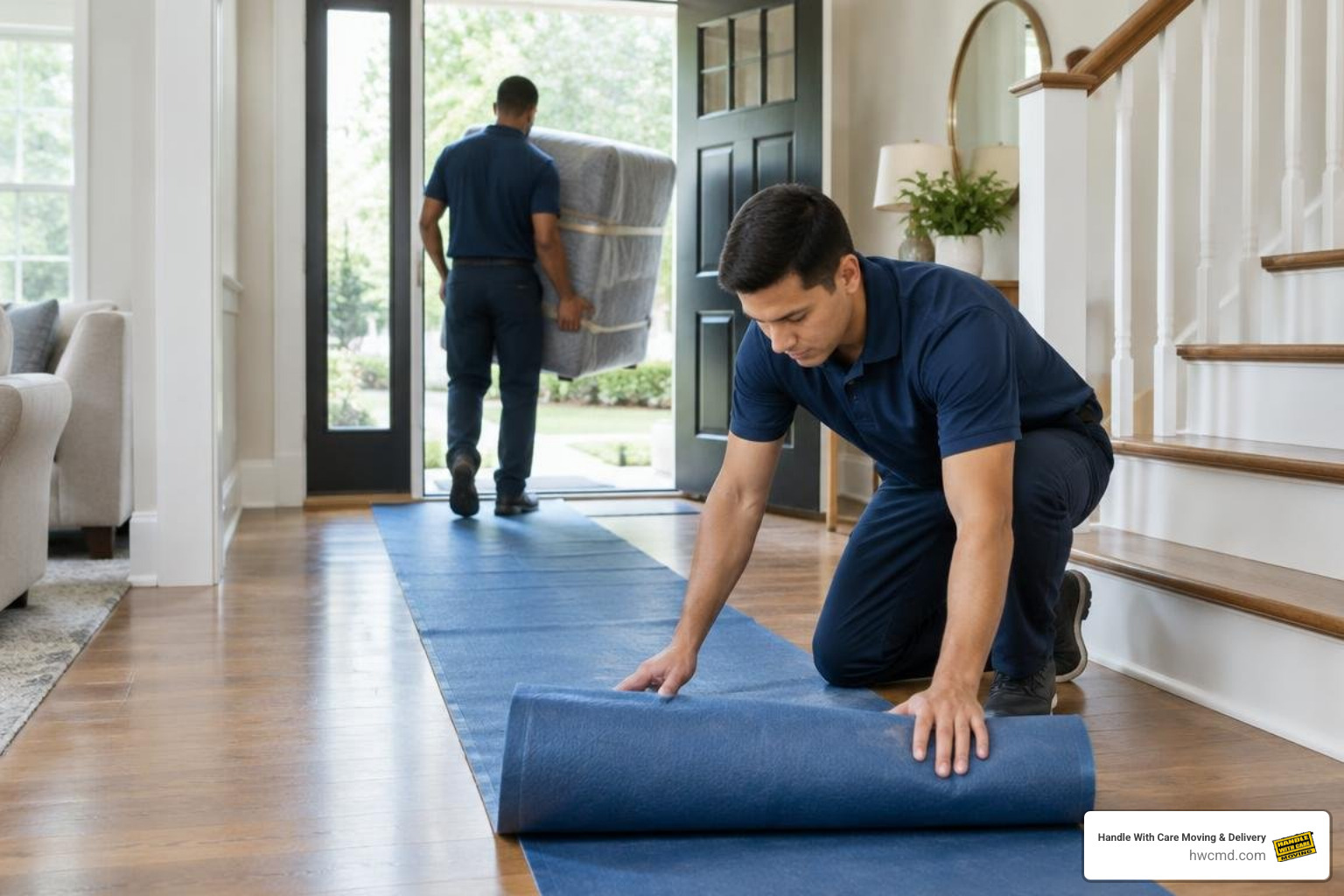
- Floor Shielding: Lay down neoprene floor runners or corrugated cardboard over finished hardwood, tile, and plush carpeting. Never use slick plastic tarps, which create slipping hazards for crews carrying 200-pound loads.
- Wall and Trim Protection: Wrap sensitive wooden banisters with moving pads and prop open heavy entry doors using rubber doorstops. Secure household pets in an isolated room to keep walking pathways open.
Tracking Windows, Inspection, and Damage Claims
Modern final-mile logistics platforms have modernized the waiting experience. Dedicated carriers regularly provide 4-hour scheduled arrival windows, supported by real-time tracking portals and automated text notifications when the truck is nearby. Major retailers even offer express windows—some delivering small in-stock orders within 2 hours if ordered before afternoon cutoffs, backing their timing with fee refunds if arrival windows are missed by more than 15 minutes.
When your shipment arrives, follow this formal receiving protocol, which mirrors guidance from the Federal Motor Carrier Safety Administration’s consumer moving protection resources:
- Inspect Before Signing: Examine outer packaging for punctures, crushed corners, or moisture before the crew departs.
- Unbox and Check Surfaces: If you booked white-glove setup, inspect wood veneers, upholstery seams, and table legs under good lighting.
- Document on the Bill of Lading (BOL): Never sign a clean delivery receipt if you observe structural defects or gouges. Note exact issues in writing on the driver’s manifest or digital device.
- Take Clear Photos: Capture wide-angle context shots and detailed close-ups of all damaged sections alongside the shipping label.
- Refuse Severe Freight: If an item exhibits structural or frame breakage, you have the right to refuse delivery at the door, instructing the driver to return the piece to the distribution depot.
Frequently Asked Questions About Furniture Delivery
How much does professional delivery usually cost?
Delivery rates span from free promotional curbside drop-offs up to $250+ for comprehensive white-glove setup. Standard retailer drop-offs for oversized items average between $55 and $79. Local flat-rate metro deliveries often run around $140 for full placement and setup, while independent moving companies typically bill using hourly labor brackets plus local transit fees.
What is included in white-glove setup?
White-glove service includes bringing the shipment into your designated room of choice, complete unboxing, visual pre-inspection, standard hardware assembly (typically covering up to 30 minutes of labor), precision staging, and full cleanup and removal of all packaging debris, pallets, and boxes.
How are freight damages handled upon arrival?
If an item arrives damaged, document the flaws immediately on the carrier’s physical or digital Bill of Lading receipt before the crew leaves. Take clear photographs of the damage, retain all packaging materials if accepting the piece for repair claims, or formally refuse the shipment at the door and notify the retailer’s customer support team within 24 to 48 hours.
Conclusion
Selecting the right delivery strategy protects your physical health, your home, and your furniture investment. If you have the tools, time, and lifting support, entry-level curbside and threshold drop-offs provide budget-friendly options for standard boxed goods. When handling delicate, heavy, or complex furnishings, scheduling full-service white-glove delivery ensures safe transport, level installation, and clean debris removal.
At Handle With Care Moving & Delivery, we manage every relocation, transport run, and assembly project with focused care and clear communication. From our main facility at 4260 Varsity Dr in Ann Arbor, we offer residential and commercial clients local moves billed hourly plus a travel rate. Lightly used boxes and recycled paper are available, and material delivery is free in most cases. Whether you need single-item marketplace logistics or full-scale residential support, review our comprehensive moving services to reserve your next delivery with our experienced crews.
— Anthony Denha, President